
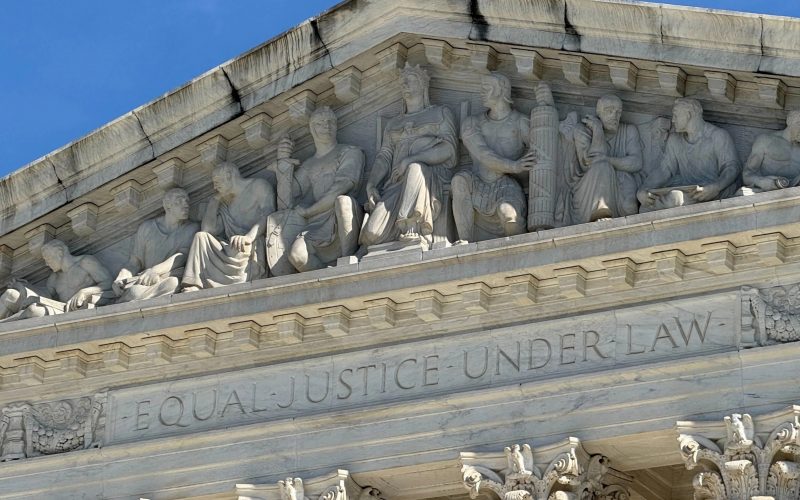
The Supreme Court on Monday paused a ruling by a federal judge in Los Angeles that imposed restrictions on the ability of federal agents to make immigration stops that the plaintiffs say are based on racial profiling. The order by U.S. District Judge Maame Ewusi-Mensah Frimpong barred agents in the Central District of California – an area with a population of approximately 20 million people – from making such stops without reasonable suspicion that the person being stopped is in the United States illegally. Reasonable suspicion, Frimpong added, cannot rest solely on any combination of four factors: “apparent race or ethnicity,” speaking in Spanish or accented English, being present at a location where undocumented immigrants “are known to gather” (such as pick-up spots for day laborers), and working at specific jobs, such as landscaping or construction.
Monday’s order by the Supreme Court puts Frimpong’s ruling on hold while the Trump administration’s appeals continue. In an opinion agreeing with the decision to grant the government’s request for a stay, Justice Brett Kavanaugh emphasized what he characterized as the narrow role of judges in immigration cases. Judges, he wrote, “may have views on which policy approach is better or fairer. But